Landscape Architect vs. Landscape Designer: Who Should You Hire?
Are you ready to create your dream backyard but are not sure who to hire? Deciding between a landscape architect and a landscape designer is a common question. Making the right choice is key to your project’s success.
Think of it this way: landscape architects are licensed by the state to handle big, complex projects. This includes things like grading, drainage, and retaining walls. Landscape designers are experts in beauty and plants, focusing on the look and feel of a space.
Which one you need depends on how big and complex your project is.
Choosing the Right Expert for Your Outdoor Project
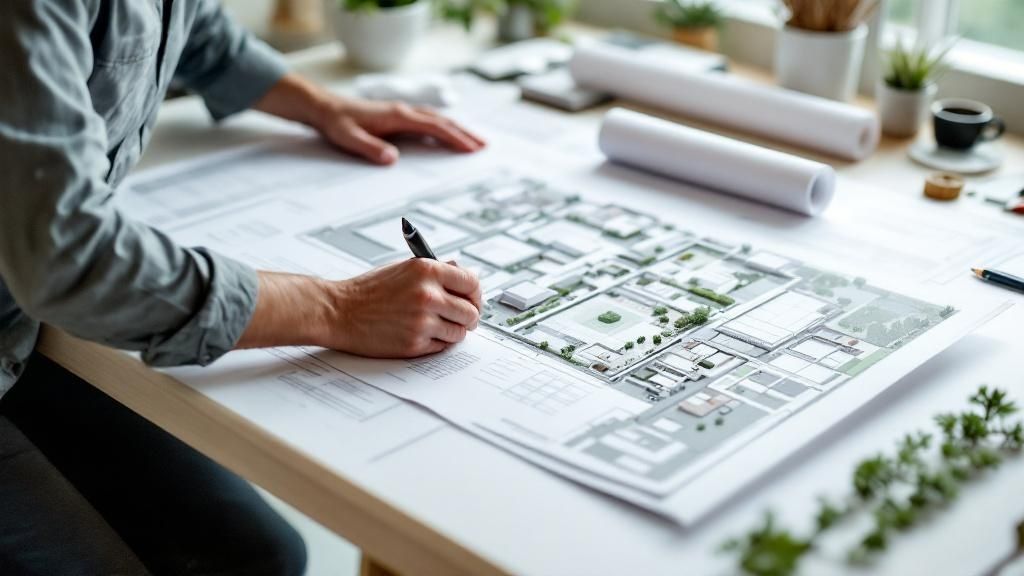
Starting a landscape or hardscape project in the Lehigh Valley is an exciting step. But many homeowners get confused by the titles “landscape architect” and “landscape designer.” While they sound alike, their roles are very different.
Making a smart decision from the start is important. The right professional will make sure your project is beautiful, useful, and built to last. For homeowners from Allentown to Coopersburg, choosing the right expert protects your investment.
Key Differences at a Glance
Here is a quick chart to show the main differences between these two roles.
| Factor | Landscape Architect | Landscape Designer |
|---|---|---|
| Education | Bachelor’s or Master’s Degree in Landscape Architecture | Often has certificates in horticulture or design |
| Licensing | State license is required | No state license is needed |
| Project Scope | Large projects with structural work | Home gardens, planting, and smaller hardscapes |
| Core Skills | Grading, drainage, construction plans, permits | Plant knowledge, layout, color, and style |
One is not better than the other—they just have different skills for different needs. A landscape architect provides the technical know-how for projects that change the land itself. If you need retaining walls or have drainage issues, an architect is the right choice.
A landscape designer is perfect for projects focused on visual appeal and planting. They are great at creating beautiful garden layouts and choosing the best plants for your yard.
Both roles are important in creating amazing outdoor spaces. That’s why design-build firms offer complete landscape and hardscape services that combine the best of both worlds.
What Is a Landscape Architect?

A landscape architect is more than just a designer. They are the expert planners and engineers of the outdoor world. They are licensed professionals who have a formal college degree in landscape architecture.
This special training allows them to solve complex structural and environmental problems. A landscape architect is needed when your project involves making big, lasting changes to your property.
Technical Expertise and Project Scope
The main difference between a landscape architect vs. a landscape designer is their qualifications and the legal scope of their work. An architect’s job is to solve tricky technical problems with skill.
Their responsibilities often include:
- Site Analysis: Studying your property’s soil, slopes, and natural features.
- Grading and Drainage Plans: Creating detailed plans to reshape the land and manage water flow.
- Structural Design: Designing large hardscapes like retaining walls and multi-level patios.
- Permitting and Compliance: Managing local building codes and getting the necessary permits for construction.
The roles of landscape architects and landscape designers differ significantly in terms of education, scope of projects, and legal requirements. Landscape architects must earn a bachelor’s or master’s degree and typically require state licensing, enabling them to work on complex public and private spaces. Learn more about these professional distinctions.
For homeowners in Lehigh Valley areas like Allentown or Center Valley planning a major outdoor project, a landscape architect provides essential oversight. They ensure your vision is beautiful, safe, and built correctly.
What Is a Landscape Designer?

If an architect is the engineer, a landscape designer is the artist. These professionals focus on the beauty and plants of a home’s landscape. Their passion is creating beautiful and useful outdoor living areas.
Unlike architects, designers do not need a state license or a specific degree. However, many are highly trained and have certificates in horticulture or garden design. They are experts at turning your personal style into a living work of art.
The Art of Softscape and Hardscape Harmony
A great landscape designer deeply understands “softscape”—the living parts of your landscape. They know which flowers, shrubs, and trees will grow well on your Lehigh Valley property. This ensures your garden looks great for years to come.
They then blend these plants with “hardscape” features like patios and walkways. A designer creates inviting layouts where these elements work together with the planting plan.
A landscape designer excels at creating a cohesive visual narrative for your property. Their focus is on color, texture, and composition, ensuring that every element works together to create a unified and inviting atmosphere.
A landscape designer is a great choice for projects focused on looks without needing big structural changes. You can see this creative approach in projects like this Lower Saucon outdoor oasis. The difference between a landscape architect vs. landscape designer often comes down to this artistic, plant-focused approach.
Comparing Education, Licensing, and Project Scope
The easiest way to see the difference between a landscape architect and a landscape designer is to look at their qualifications. These details determine who is the right fit for your outdoor project in the Lehigh Valley.
One role is based on engineering and a state license. The other is centered on garden artistry and beauty.
A landscape architect must earn a professional degree and pass a state licensing exam. This license gives them the legal right to manage complex projects that change the land. Their plans are official construction blueprints for your outdoor space.
A landscape designer’s skills come from certificates and experience. While talented, they are not licensed to approve structural plans. Their work focuses on the visual and living parts of a property.
Key Professional Distinctions
Each professional’s training directly impacts the services they can offer. An architect’s education in engineering and construction is very different from a designer’s knowledge of plants and art.
Here’s a quick breakdown of what sets them apart:
- Licensing and Legal Authority: A landscape architect is state-licensed. This allows them to approve official site plans for grading, drainage, and major construction. This is often a legal requirement for large hardscape projects in Allentown or Coopersburg.
- Design Scope: A landscape designer focuses on the aesthetic layout. This includes plant selection, garden bed design, and smaller hardscapes like simple patios. They are experts in “softscape,” the living parts of your yard.
- Structural Responsibility: Any project with big changes in elevation, large retaining walls, or complex pools is a job for an architect. They make sure these structures are safe, properly engineered, and meet local codes.
This image offers a clear side-by-side look at education, licensing, and typical project costs.
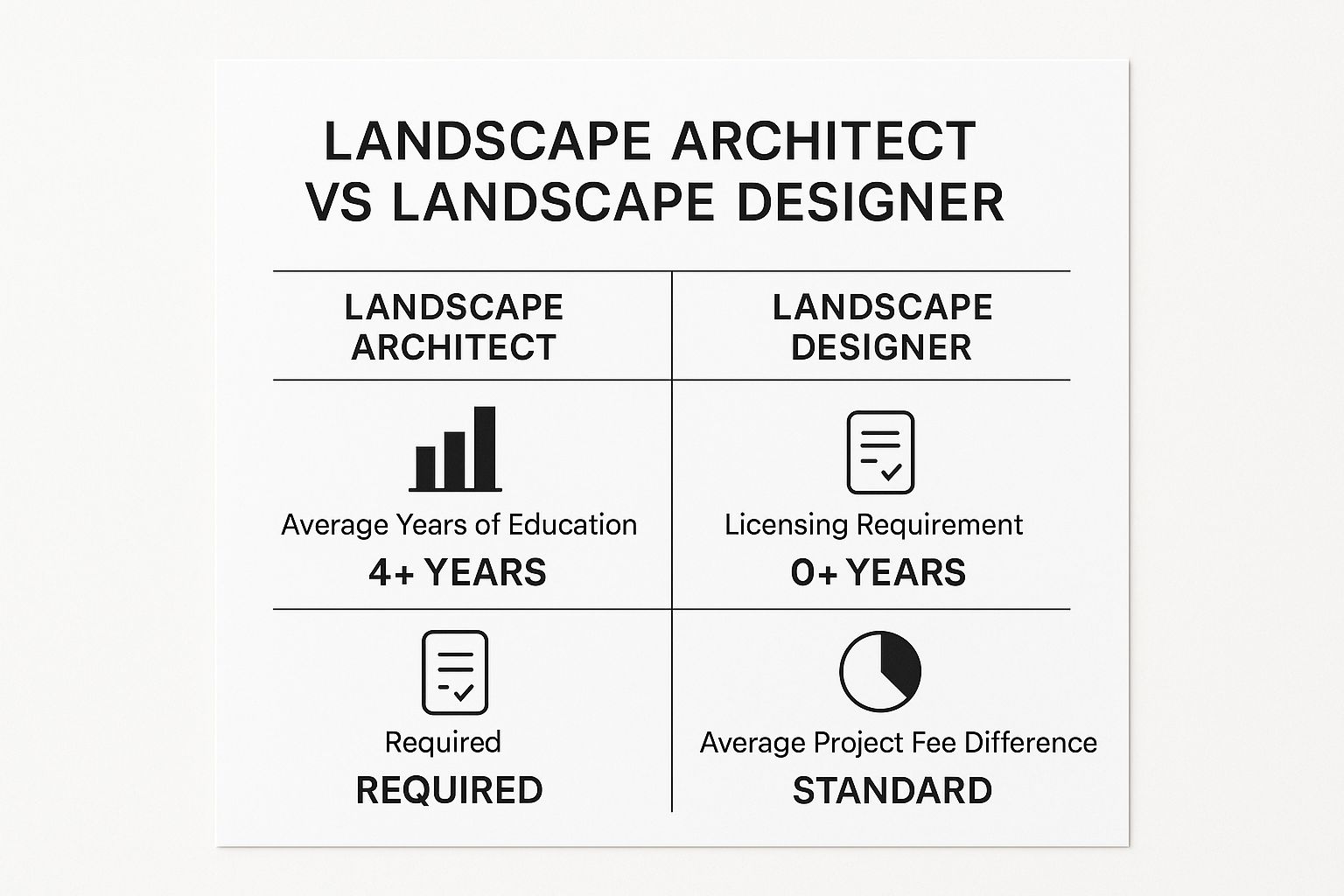
The cost of a landscape architect reflects their advanced training and the critical, structural nature of their work.
Professional Qualifications and Scope of Work
| Criterion | Landscape Architect | Landscape Designer |
|---|---|---|
| Education | Bachelor’s or Master’s degree in Landscape Architecture | Often holds certificates in horticulture or garden design |
| Licensing | State-licensed and regulated; must pass a state exam | Not licensed by the state; qualifications based on portfolio |
| Legal Authority | Can legally stamp and approve plans for construction | Cannot approve plans that require a professional stamp |
| Typical Projects | Large-scale projects, public parks, complex pools and patios | Residential garden design, planting plans, small patios |
| Core Focus | Technical design, safety, and code compliance | Beauty, horticulture, and creating harmonious spaces |
This table makes it clear: the choice is about who has the right legal and technical skills for your job.
The core takeaway is this: if your project requires altering the fundamental structure, slope, or drainage of your property, a landscape architect is not just a good idea—it’s often a legal necessity.
For example, a project like this beautiful Emmaus poolside resort would need an architect’s oversight. They would handle the pool’s structure, the site’s grading, and the engineering for the hardscapes. Their technical plans ensure the entire space is built safely and will last.
How Costs and Project Budgets Compare
Understanding the cost difference is a key part of budgeting your outdoor project. The fees for a landscape architect and a landscape designer are very different. This is often the deciding factor for homeowners when choosing between a landscape architect vs. a landscape designer.
A landscape architect’s services are usually a larger investment. Their education, state license, and ability to handle complex structural problems justify a higher fee. You are paying for a professional who is legally responsible for engineering your project safely and to code.
Understanding Fee Structures
The biggest difference in your budget will be how each professional charges. Architects often bill based on the total project scope. Designers may have more flexible payment options.
- Landscape Architect Fees: Architects typically charge a percentage of the total construction cost. This fee is usually between 10% to 20% of the project’s final price. For a large outdoor living space, this structure makes sense.
- Landscape Designer Fees: Designers often charge in different ways. You might see hourly rates or a flat fee for the design plan. This can be more budget-friendly for smaller projects focused on plants and appearance.
Landscape architects command higher fees for a reason—their advanced education, licensing, and ability to manage regulatory compliance and structural engineering are critical for complex jobs. Designers deliver incredible value by focusing on plant selection and aesthetic harmony, making them a perfect fit for projects where budget is a primary consideration.
Investing in the Right Kind of Value
In the end, the cost reflects the value each professional provides. An architect’s fee is an investment in your project’s foundation—the technical drawings and oversight needed for major hardscape work.
A designer’s fee is an investment in the living beauty of your garden. Their deep plant knowledge ensures your property will look stunning and thrive for years. Knowing these cost differences helps you match your budget to the right expertise.
Which Pro Is Right for Your Lehigh Valley Project?
So, how do you make the final choice? The landscape architect vs. landscape designer debate comes down to the scope of your Lehigh Valley project. Your vision for the space will point you in the right direction.
If your dream backyard involves moving soil, building structures, or changing your property’s layout, a landscape architect is a must. Their engineering skill is essential for projects that change the land’s shape and function.
When to Hire a Landscape Architect
You definitely need a landscape architect when your project involves major construction and engineering. Their state license allows them to create and approve construction documents, which are often required for permits in Allentown.
You should hire an architect if your project includes:
- Complex Hardscape: Think multi-level patios or large outdoor kitchens with utility lines.
- Major Grading and Drainage: If your yard is sloped or has water issues, an architect can design a plan to manage it.
- Large Retaining Walls: A retaining wall over a certain height (often four feet) needs an architect’s stamp to ensure it’s safe.
- Projects Requiring Permits: Architects are experts at creating the detailed plans needed to get local building permits.
When to Hire a Landscape Designer
If your vision is more about beauty, plants, and the feel of your space, a landscape designer has the perfect skills. They are artists when it comes to turning a yard into a beautiful garden.
A landscape designer is ideal when your project involves:
- Planting and Garden Design: They create beautiful, healthy garden beds using their knowledge of plants and color.
- Simple Patios and Walkways: For hardscapes on level ground that don’t need major structural work, a designer is a great fit.
- Boosting Curb Appeal: A designer can refresh your front yard with a new planting plan that makes a great first impression.
- Creating a Cohesive Style: They know how to tie all the elements of your yard together into a unified outdoor space.
Ultimately, the decision boils down to scope. For structural integrity and projects that physically alter the land, you need an architect. For visual artistry and planting expertise, a designer is your expert.
Both professionals are vital to the landscaping industry, which earned over $128 billion in the U.S. in 2023. This shows how much homeowners value well-designed outdoor spaces. Discover more insights about the landscaping industry’s impact and the experts who make it happen.
FAQs: Answering Your Common Questions
Here are answers to some of the most frequently asked questions we hear from homeowners in the Lehigh Valley.
1. Do I need a landscape architect for a new patio?
Not always. A talented landscape designer or a design-build firm can handle a simple patio on level ground. However, if your property has a steep slope or the patio needs a large retaining wall, an architect is essential to ensure it’s safe and built to code.
2. Can a landscape designer manage hardscape projects?
Yes, many experienced designers can plan and oversee projects like walkways, simple patios, and garden walls. They are skilled at making sure these features look great with the planting design. For larger or more complex hardscapes, you will need an architect or a specialized design-build team.
3. What is the typical design process like?
Both professionals start with a consultation to understand your vision, goals, and budget. They then analyze your property and create initial design concepts. An architect’s process will also include detailed construction drawings and permit applications, while a designer will focus more on planting plans and material selections.
4. How does a design-build firm fit in?
A design-build firm like Kennedy Design + Build offers a streamlined process. We have designers and construction crews working together as one team. This improves communication and efficiency, making the project simpler and less stressful for you from start to finish.
5. What should I ask when interviewing a professional?
Always ask to see their portfolio, especially for projects similar to yours. You should also ask about their design process and how their fees are structured. Most importantly, ask for references from past clients in the Lehigh Valley to get honest feedback on their experience. You can also learn more about the team that will bring your project to life.
Ready to transform your outdoor space with a team that blends expert design with artisan craftsmanship? Contact Kennedy Design + Build to schedule your design consultation today.